
How to Lower Your Energy Bills With a More Efficient HVAC System
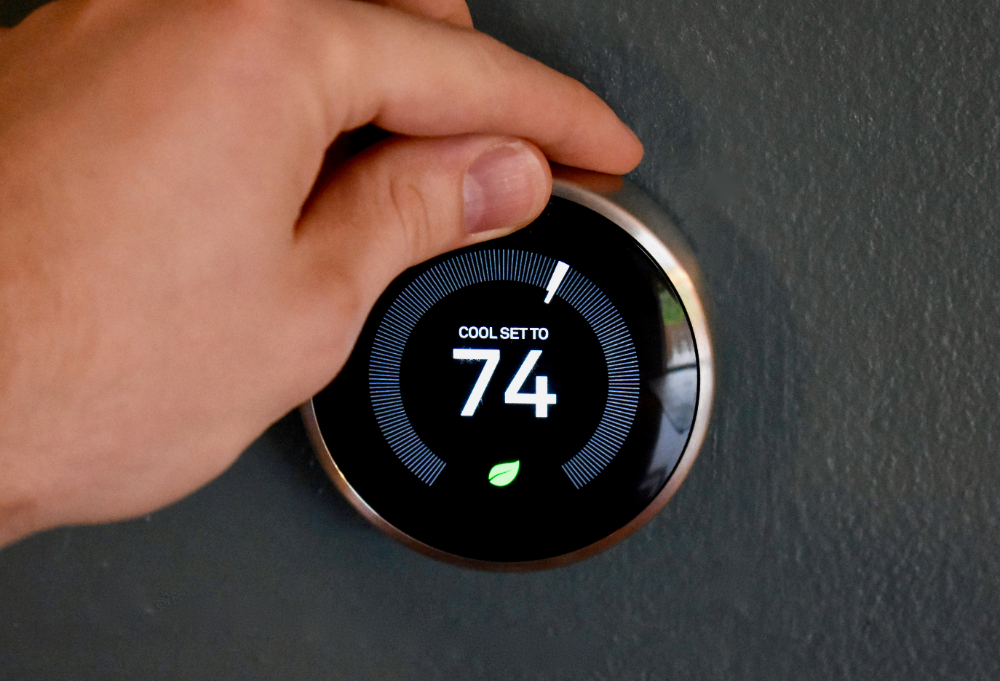
High energy bills can be frustrating for homeowners in Middletown, NY, especially when heating and cooling costs climb during freezing winters and humid summer days. An outdated or inefficient HVAC system may use more energy than necessary while struggling to maintain comfortable indoor temperatures. Improving your system’s efficiency can help you manage monthly expenses without sacrificing comfort.
Quick answer: A more efficient HVAC system can lower energy bills by using less electricity or fuel to heat and cool your home. Proper equipment sizing, routine maintenance, clean filters, sealed ductwork, and programmable or smart thermostat settings all help reduce unnecessary energy use. Depending on your current equipment and home conditions, upgrading to a high-efficiency furnace, air conditioner, or cold-climate heat pump may provide additional savings.
What local homeowners should know
-
Seasonal temperature changes matter. Orange County experiences cold winters and warm, humid summers, making HVAC efficiency important throughout the year.
-
Older equipment can increase operating costs. Aging heating and cooling systems may lose efficiency as components wear or maintenance needs go unaddressed.
-
Your home’s insulation affects HVAC performance. Properties around Middletown and the Town of Wallkill may benefit from improved insulation and air sealing before installing new equipment.
-
Professional maintenance helps prevent wasted energy. Regular inspections can identify airflow restrictions, worn components, and developing performance problems.
Why HVAC efficiency matters in Middletown
Living in the Hudson Valley means preparing for both winter heating demands and summer air conditioning use. Homes near downtown Middletown, residential neighborhoods around Scotchtown, and properties close to Crystal Run may have different layouts, insulation levels, and heating systems.
At Gutierrez Brothers HVAC, we understand the importance of matching heating and cooling solutions to local seasonal conditions. Our goal is to help homeowners make informed decisions about comfort, efficiency, and long-term HVAC performance.
Local Energy Efficiency Guidance for Middletown Homeowners
Local energy efficiency guidance emphasizes maintaining existing HVAC equipment, reducing air leaks, and evaluating home energy use before investing in replacement systems. These steps are especially relevant in Orange County, where changing seasonal temperatures can place significant demands on heating and cooling equipment throughout the year.
The New York State Energy Research and Development Authority (NYSERDA) recommends checking HVAC filters monthly, arranging seasonal equipment maintenance, and addressing ductwork leaks.
NYSERDA also provides information about home energy assessments, which can help identify insulation problems, air leakage, and opportunities for heating and cooling improvements.
Some Middletown properties are served by Orange & Rockland Utilities. Homeowners can review their utility statements to compare seasonal energy consumption and determine whether rising costs reflect increased usage, changing rates, or both.
These resources provide a useful starting point when deciding which improvements deserve priority.
How an Inefficient HVAC System Affects Local Energy Bills
An inefficient HVAC system can increase local energy bills by running longer, cycling unnecessarily, or working harder to maintain the temperature set on your thermostat. During Orange County winters and humid summer weather, these performance problems can become more noticeable because heating and cooling equipment operates more frequently.
Common consequences include:
-
Higher electricity or heating fuel consumption.
-
Uneven temperatures between rooms.
-
Longer heating and cooling cycles.
-
Increased wear on motors, fans, and other components.
-
Difficulty maintaining comfortable humidity levels.
For homeowners in Mechanicstown or nearby residential communities, identifying these problems early can help prevent unnecessary operating expenses and uncomfortable indoor conditions.
Warning Signs Your HVAC System Is Wasting Energy
Warning signs of HVAC energy waste include unexpectedly high utility bills, inconsistent indoor temperatures, frequent cycling, and weak airflow. Homeowners should pay particular attention when these changes appear without a corresponding increase in heating or cooling demand, especially during Middletown’s peak summer and winter seasons.
Watch for these seven indicators:
-
Rising utility bills: Energy consumption increases despite similar thermostat settings and household habits.
-
Uneven temperatures: Certain rooms remain noticeably warmer or colder than others.
-
Frequent cycling: Your system repeatedly turns on and off without maintaining consistent comfort.
-
Weak airflow: Air from supply vents feels weaker than usual.
-
Unusual noises: Rattling, buzzing, or grinding may indicate mechanical problems.
-
Excess indoor humidity: Your air conditioner struggles to remove moisture during humid weather.
-
Frequent repairs: Recurring breakdowns suggest that aging components may be affecting reliability.
One warning sign does not automatically mean replacement is necessary. A professional evaluation can help identify the underlying cause.
When to Call a Professional for HVAC Efficiency Problems
You should call an HVAC professional when energy bills rise unexpectedly, comfort problems persist, or your equipment shows signs of mechanical or electrical trouble. Professional service is particularly useful before heavy winter heating demand or summer cooling season, when an unresolved issue could become more disruptive.
Homeowners can safely inspect accessible filters, check thermostat settings, and keep outdoor equipment clear of debris.
However, refrigerant work, electrical repairs, gas connections, and internal mechanical adjustments should be handled by qualified professionals.
We can help homeowners discuss system performance concerns and determine whether maintenance, repairs, or equipment upgrades are the appropriate next step.
Common Causes of High HVAC Energy Consumption
Common causes of high HVAC energy consumption include clogged air filters, leaking ducts, poor insulation, incorrect equipment sizing, and aging components. Around Middletown, these problems can become especially costly when the system must operate through prolonged winter cold or repeated stretches of hot, humid weather.
Dirty filters and restricted airflow
Clogged filters make it harder for conditioned air to move through the system. Restricted airflow can reduce efficiency and contribute to equipment strain.
Leaky or poorly insulated ductwork
Air escaping through gaps in ductwork can waste heated or cooled air before it reaches living spaces. Ducts running through unconditioned attics or basements may create additional energy losses.
Insufficient insulation and air sealing
Older homes in Orange County may have drafts around windows, doors, and attic openings. These gaps allow conditioned air to escape and outdoor air to enter.
Incorrectly sized equipment
An oversized system may cycle frequently, while an undersized system may struggle to meet heating or cooling demands. Proper sizing requires evaluating the home’s heating and cooling loads rather than relying only on square footage.
Aging or poorly maintained equipment
Worn components, dirty coils, and neglected maintenance can reduce performance over time.
Prevention and Seasonal HVAC Maintenance
Preventing HVAC energy waste starts with consistent maintenance, appropriate thermostat settings, and attention to airflow throughout the home. In the Hudson Valley, checking cooling equipment before summer and heating equipment before winter gives homeowners an opportunity to identify problems before periods of heavier system use.
Helpful maintenance practices include:
-
Check air filters monthly and replace or clean them according to manufacturer instructions.
-
Keep supply vents and return air grilles unobstructed.
-
Remove leaves and other debris from around outdoor units.
-
Use thermostat schedules that match household routines.
-
Inspect accessible areas for obvious drafts and damaged weatherstripping.
-
Arrange professional heating maintenance in fall and cooling maintenance in spring.
Homeowners should avoid opening electrical compartments or attempting refrigerant repairs.
Expected Results From HVAC Efficiency Improvements
HVAC efficiency improvements can reduce wasted energy, improve temperature consistency, and support more reliable heating and cooling. Actual savings depend on the equipment being replaced or serviced, the home’s insulation, local utility rates, thermostat habits, and whether the system was operating inefficiently before the improvements.
A maintenance visit may restore performance when dirt or neglected components are causing problems.
Duct sealing or insulation upgrades may improve comfort in rooms that previously experienced temperature differences.
Replacing outdated equipment with a properly sized high-efficiency system may provide larger long-term improvements, although lower bills are not guaranteed.
Reviewing energy consumption across comparable seasons offers a more useful measure of progress than comparing two unrelated monthly bills.
Common Mistakes That Increase HVAC Energy Costs
Common HVAC efficiency mistakes include selecting replacement equipment based on price alone, ignoring airflow problems, and assuming that a larger unit will provide better comfort. These decisions can lead to unnecessary energy consumption and disappointing results, particularly in homes that face both summer cooling and winter heating demands.
Mistake: Purchasing an oversized HVAC system.
Consequence: Frequent cycling can reduce comfort and system efficiency.
Better approach: Request a professional heating and cooling load calculation.
Mistake: Ignoring ductwork problems.
Consequence: Conditioned air can escape before reaching occupied rooms.
Better approach: Have ductwork evaluated for leakage, insulation, and airflow restrictions.
Mistake: Skipping seasonal maintenance.
Consequence: Minor performance issues may worsen during periods of heavy use.
Better approach: Establish a routine maintenance schedule.
Mistake: Replacing equipment without evaluating insulation.
Consequence: The new system may still struggle to maintain consistent temperatures.
Better approach: Consider air sealing and insulation alongside equipment upgrades.
Common Local Scenario: An Older Home With Rising Utility Bills
A common local scenario involves an older Middletown home with inconsistent room temperatures and rising winter heating costs. The homeowner may assume that replacing the furnace is the only solution, even though drafty windows, attic insulation gaps, or leaking ductwork could be contributing to the problem.
Consider a house with a warm first floor but noticeably colder upstairs bedrooms.
Increasing the thermostat setting may make the first floor uncomfortable while doing little to resolve the upstairs problem.
A proper evaluation would consider the heating equipment, ductwork, airflow, insulation, and overall heat loss.
The most effective solution might involve targeted repairs, weatherization, or an equipment upgrade, depending on the findings.
Related HVAC Solutions for Better Energy Efficiency
Energy-efficient HVAC solutions range from maintenance and ductwork improvements to complete heating and cooling system replacement. The right choice depends on the condition of the existing equipment, the property’s heating and cooling needs, and the homeowner’s budget and long-term plans.
Options worth discussing include:
-
HVAC maintenance: Helps maintain equipment performance and identify developing problems.
-
Air conditioning repair: Addresses cooling issues that may contribute to unnecessary energy consumption.
-
Furnace repair or replacement: Restores heating performance or provides an opportunity to install more efficient equipment.
-
High-efficiency HVAC installation: Matches modern equipment with the home’s specific heating and cooling needs.
-
Cold-climate heat pumps: Offer an alternative for heating and cooling, with operating costs depending on equipment performance, fuel prices, and electricity rates.
-
Thermostat upgrades: Provide more convenient temperature scheduling and control.
We can help homeowners explore which HVAC improvements are worth evaluating before making a major investment.
Comparing HVAC Repair, Maintenance, and Replacement
Comparing HVAC repair, maintenance, and replacement starts with evaluating equipment condition, energy consumption, reliability, and expected future costs. Homeowners should consider whether a relatively small improvement can restore acceptable performance or whether outdated equipment makes replacement a more practical long-term choice.
| Option | Best suited for | Main consideration |
|---|---|---|
| Routine maintenance | Systems operating normally or with minor efficiency concerns | Helps maintain performance and reliability |
| Targeted repair | Equipment with an identifiable, repairable problem | Cost should be weighed against age and condition |
| Ductwork improvements | Homes with airflow problems or air leakage | Can reduce energy loss without replacing equipment |
| System replacement | Aging, unreliable, or substantially inefficient equipment | Higher upfront investment with potential long-term benefits |
A professional evaluation can help homeowners compare the expected value of each option.
Service Areas Around Middletown, NY
HVAC efficiency is important throughout Middletown and surrounding Orange County communities, where homes experience similar seasonal heating and cooling demands. Homeowners in nearby areas such as Goshen, Otisville, Wawayanda, and the Town of Wallkill can use the same principles when evaluating equipment performance and household energy consumption.
The Cost of Ignoring HVAC Efficiency Problems
Ignoring HVAC efficiency problems can lead to continued energy waste, unnecessary utility expenses, and additional wear on heating and cooling components. For Middletown homeowners, postponing maintenance or repairs until the coldest winter weather or hottest summer days can also make indoor comfort problems more disruptive.
An inefficient system does not always require replacement, but persistent performance issues deserve attention.
Addressing a clogged filter, airflow restriction, or malfunctioning component before conditions worsen may help avoid larger repair expenses.
Frequently Asked Questions About Energy-Efficient HVAC Systems
These frequently asked questions address practical ways to reduce HVAC energy consumption, improve comfort, and evaluate heating and cooling upgrades in Orange County. The answers focus on the seasonal demands and common home conditions that Middletown-area homeowners should consider before investing in repairs, maintenance, or new equipment.
1. How can I lower my HVAC energy bills in Middletown, NY?
You can lower HVAC energy bills by maintaining clean filters, adjusting thermostat schedules, sealing air leaks, and keeping equipment professionally maintained. If your system is older or requires frequent repairs, evaluating a higher-efficiency replacement may also help. A home energy assessment can identify additional opportunities to reduce heating and cooling demand.
2. Are high-efficiency HVAC systems worth the investment in Orange County?
High-efficiency HVAC systems can be worthwhile in Orange County because homes require heating during cold winters and cooling during warm, humid summers. The financial benefit depends on equipment cost, energy prices, installation quality, and current system performance. Comparing estimated annual operating expenses can help determine whether replacement makes financial sense.
3. What type of HVAC system works best for Middletown homes?
The best HVAC system for a Middletown home depends on its size, insulation, existing ductwork, heating fuel, and comfort needs. High-efficiency furnaces paired with central air conditioning and appropriately selected cold-climate heat pumps are possible options. A professional load calculation helps identify equipment suited to the property’s specific requirements.
4. How often should I schedule HVAC maintenance in the Hudson Valley?
HVAC maintenance should generally be scheduled before the seasons when equipment receives the most use. Cooling equipment should be checked in spring, while heating equipment should be evaluated in fall. Homeowners should also follow manufacturer maintenance instructions and check filters regularly, particularly during periods of frequent heating or cooling.
5. Can a heat pump reduce heating costs during Middletown winters?
A properly selected cold-climate heat pump may reduce winter heating expenses, especially when replacing electric resistance heating or certain higher-cost heating fuels. However, savings depend on outdoor temperatures, electricity prices, building insulation, system performance, and the equipment being replaced. A detailed cost comparison is recommended before making the switch.
6. Will a smart thermostat make my HVAC system more efficient?
A smart thermostat can help reduce unnecessary energy consumption by adjusting indoor temperatures around occupancy and daily schedules. Its effectiveness depends on programming, household habits, and compatibility with the HVAC equipment. Homeowners with heat pumps should use settings appropriate for their systems to avoid unintended auxiliary heating costs.
7. Should I improve insulation before replacing my HVAC system?
Improving insulation and sealing major air leaks before replacing HVAC equipment can reduce the amount of heating and cooling your home requires. This may allow the installation of a smaller, appropriately sized system. For older Orange County properties, an energy assessment can help prioritize building improvements before equipment selection.
8. How do I know whether to repair or replace my HVAC system?
Repair may be the better choice when equipment is relatively reliable and the problem is limited and affordable to fix. Replacement becomes more attractive when failures are frequent, repair expenses are high, or efficiency is substantially below newer options. Consider equipment age, condition, repair estimates, and projected operating costs together.
Improve Home Comfort and Reduce Energy Waste in Middletown
Lowering your energy bills starts with understanding how efficiently your HVAC system heats and cools your home. From routine maintenance and airflow improvements to properly sized equipment upgrades, the right changes can help reduce unnecessary energy use while supporting consistent indoor comfort.
At Gutierrez Brothers HVAC, we want homeowners to feel confident about their heating and cooling decisions and understand the options available for improving long-term efficiency.
Take the next step toward a more energy-efficient home
Get helpful guidance on improving HVAC performance and making informed choices for your Orange County home.