A chilly fall morning in Middletown can quickly remind you how much you rely on your furnace. Once colder weather settles into the Hudson Valley and Orange County, a heating system that seemed fine all summer may start showing signs that it needs attention.
A furnace tune-up before winter can help identify developing problems before your heating system faces sustained cold-weather use. Warning signs such as unusual noises, uneven heating, frequent cycling, higher energy use, or trouble starting can indicate that your furnace should be inspected before the heating season gets busier.
What Local Homeowners Should Know
Unusual furnace noises can indicate loose, worn, or malfunctioning components that deserve professional attention.
Uneven temperatures between rooms may point to airflow, thermostat, ductwork, or furnace performance issues.
Middletown homeowners benefit from checking their heating systems during fall rather than waiting for the first stretch of freezing weather.
Homes throughout Orange County experience months of heating demand, making preseason maintenance particularly relevant.
Persistent odors, startup problems, or other potentially unsafe furnace behavior should not be treated as routine maintenance issues.
Why Furnace Maintenance Matters Before Winter in Middletown
Furnace maintenance matters before winter in Middletown because cold Hudson Valley weather can turn a small heating problem into a major comfort issue once the system begins running regularly. A preseason tune-up gives a technician an opportunity to inspect furnace operation before dependable heat becomes an everyday necessity.
Local homes range from older properties near Middletown’s established neighborhoods to newer housing across surrounding Orange County communities. Furnace age, ductwork condition, insulation, and previous maintenance can all affect how well a heating system handles winter demand.
At Gutierrez Brothers HVAC, we understand that homeowners want dependable heat when temperatures fall. Our role is to help identify heating system concerns and explain appropriate service options based on the equipment and conditions we find.
Local Furnace Conditions and Field Observations
Local furnace conditions often change noticeably when heating systems return to regular operation after months of limited use. Rather than relying on unsupported statistics, it is more useful to watch for practical symptoms such as unusual sounds, weak airflow, inconsistent temperatures, or repeated startup problems.
Seasonal conditions in the Hudson Valley also matter. Fall can shift into cold weather quickly, and homes in Middletown, Goshen, New Hampton, and other parts of Orange County may begin relying heavily on their heating equipment well before the coldest part of winter arrives.
That makes early fall a practical time to pay attention to furnace performance.
How Furnace Problems Affect Middletown Homes
Furnace problems can affect Middletown homes through reduced comfort, inefficient operation, unexpected downtime, and additional wear on heating equipment. A system that struggles in mild fall weather may become more troublesome when it has to run longer during colder periods.
Uneven heating can leave upstairs bedrooms uncomfortable. Frequent cycling may cause the furnace to start and stop repeatedly. Weak airflow can make certain areas of the home slow to warm.
These symptoms do not always mean the furnace needs a major repair. They do mean the system deserves attention so the cause can be identified rather than guessed.
5 Signs Your Furnace Needs a Tune-Up Before Winter
The five clearest signs your furnace may need a tune-up before winter are unusual noises, uneven heating, frequent cycling, unexpected energy-use changes, and difficulty starting or maintaining normal operation. Each symptom can have several causes, so a professional inspection is the best way to determine what is actually happening.
1. Your Furnace Is Making New or Unusual Noises
New furnace noises are worth investigating, especially if you hear banging, rattling, squealing, scraping, or other sounds that were not present during previous heating seasons.
Some sounds may come from relatively simple issues, while others can point to mechanical problems. If your Middletown furnace suddenly sounds different when it starts or runs, do not assume the noise is simply part of an aging system.
2. Some Rooms Are Warmer Than Others
Uneven heating can indicate an airflow, ductwork, thermostat, filter, or furnace performance issue. If your living room feels comfortable while bedrooms remain noticeably cold, the system may not be distributing heat effectively.
Older Orange County homes can have especially complicated airflow because additions, renovations, insulation changes, and existing duct layouts can influence how conditioned air moves through the property.
3. The Furnace Keeps Turning On and Off
Frequent furnace cycling means the heating system is starting and stopping more often than expected instead of completing normal heating cycles. Possible causes can involve airflow restrictions, thermostat issues, equipment problems, or other conditions that require diagnosis.
Repeated cycling can also affect comfort because the system may have difficulty maintaining a steady indoor temperature.
4. Your Heating Energy Use Has Changed Unexpectedly
An unexplained increase in heating energy use can be a reason to check furnace performance, particularly when household habits and weather conditions do not explain the difference. Energy use naturally changes with outdoor temperature, thermostat settings, home insulation, and occupancy, so bills alone cannot diagnose a furnace problem.
For Middletown homeowners, comparing similar periods can provide more useful context than comparing a mild fall month with a very cold winter month.
5. Your Furnace Struggles to Start or Stay Running
Difficulty starting or maintaining normal operation is a strong reason to schedule furnace service. Delayed starts, repeated attempts to run, unexpected shutdowns, or a failure to produce dependable heat should not be ignored as winter approaches.
If the system will not operate normally, professional diagnosis is more appropriate than repeated DIY troubleshooting.
When Should You Call a Furnace Professional?
You should call a furnace professional when symptoms persist, the system repeatedly fails to heat properly, or you notice anything that could involve combustion, electrical components, or safety controls. Homeowners can perform basic observations, but internal furnace diagnosis and repair should be left to trained professionals.
Safe homeowner checks can include confirming the thermostat setting, checking whether the furnace has power, looking at the accessible air filter, and making sure supply and return vents are not unintentionally blocked.
If you smell gas, suspect carbon monoxide, or a carbon monoxide alarm activates, treat the situation as a potential safety issue rather than a routine tune-up request. Follow emergency guidance from your utility, local authorities, and alarm manufacturer as appropriate.
What Commonly Causes Furnace Problems Before Winter?
Common furnace problems before winter can involve restricted airflow, neglected maintenance, thermostat issues, worn components, ignition or startup problems, and normal equipment aging. The exact cause cannot be determined reliably from a symptom alone.
Restricted airflow: A dirty filter or blocked airflow can make it harder for the system to move heated air through the home.
Thermostat issues: Incorrect settings or thermostat problems can sometimes appear to be furnace problems.
Wear over time: Components experience repeated heating cycles season after season and may eventually require service.
Delayed maintenance: A furnace that has not been inspected recently may have developing issues that become noticeable when regular heating resumes.
Home-specific airflow conditions: Duct layouts, additions, insulation, and other property characteristics can contribute to comfort differences in homes around Middletown and the surrounding Hudson Valley.
How Can You Prepare Your Furnace for Winter?
Preparing your furnace for winter starts with basic homeowner checks and timely professional maintenance when needed. Early fall is a practical time to test the heating system because it leaves more time to address a problem before sustained cold weather arrives.
Check your thermostat and replace or inspect the filter according to the furnace and filter manufacturer’s instructions. Keep accessible vents clear of furniture, rugs, and other obstructions. Turn the heat on before you urgently need it and pay attention to sounds, odors, airflow, and room-to-room comfort.
DIY maintenance should stop before opening or adjusting internal combustion, gas, electrical, or safety components.
What Should You Expect From a Furnace Tune-Up?
A furnace tune-up should provide a clearer picture of your heating system’s condition and identify maintenance or repair needs that are visible during professional inspection. The exact work performed can vary based on furnace type, condition, and the service being requested.
Homeowners should expect straightforward information about observed issues rather than assumptions about what the furnace needs. If a repair is recommended, understanding what was found and why the repair is being suggested can help you make an informed decision.
What Furnace Maintenance Mistakes Should Homeowners Avoid?
Common furnace maintenance mistakes include ignoring recurring symptoms, relying only on the thermostat reading, attempting unsafe internal repairs, and waiting until a no-heat situation to request service.
Mistake: Ignoring a new rattling or squealing sound. Consequence: A developing issue may continue through repeated heating cycles. Better approach: Have persistent or worsening noises evaluated.
Mistake: Assuming every cold room means the furnace is failing. Consequence: The actual problem could involve airflow, ductwork, insulation, or thermostat conditions. Better approach: Look at the heating system and home as a whole.
Mistake: Waiting for the coldest week of winter. Consequence: A heating problem becomes more disruptive when the home depends on the furnace continuously. Better approach: Address noticeable symptoms during fall when possible.
What Is a Common Furnace Scenario in Middletown?
A common Middletown furnace scenario is a system that starts normally in early fall but shows small performance changes as heating demand increases. This is a general local scenario, not a Gutierrez Brothers HVAC customer case study.
A homeowner might notice that one room takes longer to warm, followed by more frequent furnace cycling or a new sound during startup. Rather than assuming the furnace needs replacement, the practical next step is professional diagnosis. The underlying issue may be maintenance-related, repairable, or connected to another part of the home’s heating and airflow system.
Which HVAC Services Can Help?
Furnace maintenance, heating diagnostics, and appropriate repair services can help address the warning signs homeowners notice before winter. The correct service depends on what the inspection reveals rather than on the symptom alone.
If your furnace is making unusual noises, heating unevenly, cycling frequently, or struggling to operate, we can inspect the system and discuss the findings with you.
Should You Tune Up, Repair, or Replace Your Furnace?
Whether you need maintenance, repair, or replacement depends on the furnace’s condition, age, performance, repair needs, and the homeowner’s longer-term plans. A tune-up addresses maintenance needs, while a repair corrects a diagnosed problem. Replacement becomes a separate consideration when the existing equipment’s condition and repair needs justify discussing new-system options.
Avoid making that decision from one symptom or the furnace’s age alone. An inspection can provide the information needed to compare realistic options for your property.
Where Do We Provide Furnace Service?
We serve homeowners in Middletown and the surrounding area, with heating needs shaped by Orange County’s cold-weather season. Nearby communities such as Goshen, New Hampton, and other Hudson Valley areas experience many of the same seasonal furnace concerns.
What Can Happen If You Ignore Furnace Warning Signs?
Ignoring furnace warning signs can allow comfort problems, inefficient operation, or equipment issues to continue into colder weather. Waiting also means a furnace problem may become noticeable at the exact time your household depends on the heating system most.
A strange noise or uneven room temperature does not automatically signal a major failure. It is still useful information about how the system is operating and should be monitored rather than dismissed.
When should I schedule a furnace tune-up in Middletown, NY?
Scheduling a furnace tune-up in early fall is practical because it allows you to check system operation before colder Hudson Valley weather creates sustained heating demand. If your furnace already has unusual noises, startup problems, or uneven heating, it makes sense to have those symptoms evaluated rather than waiting for a particular date.
How often should a furnace in Middletown be maintained?
Furnace maintenance frequency should follow the equipment manufacturer’s recommendations and any applicable service guidance for your particular system. Homeowners should also respond to changes in performance between routine visits. A new noise, repeated cycling, or difficulty heating the home can justify an inspection regardless of the maintenance calendar.
Why does my furnace smell when I first turn it on?
A brief odor when heating equipment first returns to operation can have different causes, including dust that accumulated while the system was not being used. Persistent, strong, burning, electrical, or gas-like odors require more caution. If an odor seems unsafe, stop treating it as routine seasonal maintenance and seek appropriate professional or emergency guidance.
Why is my Middletown home heating unevenly?
Uneven heating in a Middletown home can result from airflow restrictions, ductwork conditions, thermostat issues, insulation differences, home layout, or furnace performance. Older properties and renovated homes may have particularly complex airflow patterns. A professional can evaluate the heating system while also considering factors outside the furnace itself.
Can I tune up my furnace myself?
Homeowners can safely handle limited tasks such as checking thermostat settings, inspecting accessible filters, and keeping vents unobstructed. Internal furnace inspection, combustion components, electrical work, gas-related components, and safety controls should be handled professionally. Manufacturer instructions should also be followed for maintenance tasks specific to your equipment.
Does Orange County’s winter weather make furnace maintenance more important?
Orange County’s cold season means furnaces can face sustained periods of regular use, which makes dependable operation especially valuable before winter. Preseason maintenance cannot guarantee that a furnace will never experience a problem, but it can provide an opportunity to identify observable maintenance needs or performance concerns before peak heating demand.
Does a noisy furnace always need repair?
A noisy furnace does not automatically need a major repair, but a new, persistent, or worsening sound deserves attention. Rattling, squealing, scraping, banging, and other unusual sounds can have different causes. Professional diagnosis can determine whether the sound involves normal operation, a maintenance need, or a component requiring repair.
Should I replace an older furnace before a Middletown winter?
An older furnace should not be replaced based on age alone. Its current condition, reliability, repair history, efficiency, comfort performance, and the cost and scope of needed repairs all matter. If an inspection reveals significant issues, you can compare repair and replacement options based on the actual condition of your heating system.
Get Your Middletown Furnace Ready for Colder Weather
Catching furnace warning signs during fall gives you more information and more time to address heating concerns before winter settles into Orange County. We can help evaluate unusual noises, uneven heating, cycling problems, and other furnace performance concerns so you understand what your system needs.
Prepare for Reliable Winter Comfort
Get a professional assessment of your furnace before a small concern becomes a cold-weather disruption.
Cold weather in Middletown, NY can put a furnace under steady demand, especially once temperatures drop across Orange County. A heating system that seemed fine during a mild fall afternoon may reveal problems when it has to run longer and more frequently. Recognizing the early signs of trouble gives homeowners an opportunity to address maintenance needs before winter heating becomes essential.
A furnace may need a tune-up before winter if it is making unusual noises, heating rooms unevenly, cycling more often than expected, producing unusual odors, or struggling to maintain the thermostat setting. Scheduling maintenance before prolonged cold weather can help identify worn components, airflow problems, dirty equipment, and other issues before they contribute to a midwinter breakdown.
What local homeowners should know
Unusual sounds or changes in furnace operation deserve attention even if the system is still producing heat.
Homes throughout Middletown and Orange County can place substantial seasonal demand on heating equipment once colder weather settles into the Hudson Valley.
A dirty filter can restrict airflow, but persistent heating problems after a filter change may require professional diagnosis.
Fall is a practical time to test heating performance because homeowners can address problems before the furnace becomes a daily necessity.
Older homes and newer properties can experience different heating challenges, so furnace performance should be evaluated based on the system and home rather than age alone.
Why Furnace Maintenance Matters Before a Middletown Winter
Furnace maintenance matters before a Middletown winter because heating equipment is typically asked to run harder and longer as colder Hudson Valley weather arrives. A tune-up gives a technician an opportunity to inspect operation, identify developing problems, and address routine maintenance before reliable heat becomes especially important.
Middletown sits in Orange County, with communities such as Goshen, New Hampton, Mechanicstown, and Scotchtown nearby. Across this part of the Hudson Valley, the transition from fall to winter can quickly change how often a furnace runs.
At Gutierrez Brothers HVAC, we understand that homeowners want to know whether a change in furnace performance is routine or a warning that service is needed. Our goal is to help identify the cause before a minor heating concern becomes a larger comfort problem.
Local Furnace Conditions We Commonly Consider
Local furnace conditions should be evaluated based on seasonal heating demand, the home’s airflow, equipment condition, and how the system behaves as outdoor temperatures fall. Rather than assuming every furnace problem has the same cause, a professional inspection can determine whether maintenance, a specific repair, or further diagnosis is appropriate.
Homes around Middletown vary in age, layout, insulation, ductwork, and heating equipment. Those differences can affect how quickly rooms warm up and how long a furnace needs to operate.
Fall is therefore a useful observation period. Homeowners can turn the heat on before the first sustained cold spell and pay attention to sounds, odors, airflow, thermostat response, and comfort throughout the home.
5 Signs Your Furnace Needs a Tune-Up
The clearest signs your furnace needs a tune-up include new noises, uneven temperatures, frequent cycling, persistent odors, and difficulty maintaining the thermostat setting. Any noticeable change from the way your heating system normally operates is worth monitoring, particularly before winter weather increases heating demand in Orange County.
1. Your Furnace Is Making New or Unusual Noises
A furnace that suddenly rattles, bangs, squeals, buzzes, or produces another unfamiliar sound should be checked. Some operating noise is normal, but a new or worsening sound can indicate a loose component, airflow issue, blower problem, or another condition that needs diagnosis.
Do not remove panels or reach into operating equipment to locate the sound yourself. Note when the noise occurs and let a qualified HVAC professional inspect the system.
2. Some Rooms Feel Colder Than Others
Uneven heating can point to an airflow, duct, thermostat, or furnace performance issue. If one part of your Middletown home stays noticeably colder even after the system has been running, maintenance can help determine whether the furnace is contributing to the problem.
First, make sure supply registers are open and not blocked by rugs or furniture. If obvious airflow obstructions are not the cause, professional evaluation is the safer next step.
3. The Furnace Turns On and Off Frequently
Frequent cycling means the furnace repeatedly starts and stops instead of completing normal heating cycles. Several conditions can contribute to this behavior, including airflow restrictions, thermostat issues, equipment problems, or a system that needs further diagnosis.
Repeated cycling also creates an obvious comfort problem when the home never seems to settle at the desired temperature. Have the system inspected rather than repeatedly adjusting the thermostat to compensate.
4. You Notice Persistent or Unusual Odors
A brief dusty smell can occur when heating equipment is first used after sitting idle, but persistent, strong, or unusual odors should not simply be ignored. An HVAC technician can inspect the equipment and determine whether maintenance or repair is necessary.
If you smell gas or suspect a combustion or carbon monoxide problem, treat the situation as a safety concern rather than a routine tune-up request. Leave the affected area as appropriate and contact the relevant emergency or utility service.
5. Your Furnace Struggles to Reach the Thermostat Setting
A furnace that runs for long periods without bringing the house to the selected temperature may have an airflow, equipment, thermostat, ductwork, or building-envelope issue. As colder weather reaches Middletown, a performance problem that was easy to overlook during fall may become much more noticeable.
A tune-up and inspection can help separate routine maintenance needs from problems requiring repair.
When Should You Call an HVAC Professional?
You should call an HVAC professional when furnace symptoms persist after basic, safe homeowner checks or when the system shows signs of mechanical, electrical, fuel, or combustion trouble. Homeowners can check thermostat settings, replace an accessible filter when appropriate, and make sure vents are unobstructed, but internal furnace work should be left to trained professionals.
This is particularly important before cold weather in Orange County. Waiting until the furnace stops heating altogether can turn a planned service visit into an urgent no-heat situation.
What Commonly Causes Furnace Performance Problems?
Common furnace performance problems can come from restricted airflow, dirty components, thermostat issues, worn parts, ductwork concerns, or equipment faults. The exact cause cannot be determined from a symptom alone, which is why a tune-up is useful when a Middletown heating system begins behaving differently.
A clogged filter is one of the easiest issues for a homeowner to check. Blocked registers can also reduce comfort in individual rooms. Beyond those basics, diagnosing electrical components, burners, blowers, safety controls, or combustion-related issues requires appropriate professional service.
The key is not to assume that every unusual sound or long heating cycle has the same solution.
How Can You Prepare Your Furnace for Winter?
You can prepare your furnace for winter by testing it during fall, checking the filter, keeping supply and return vents clear, confirming thermostat operation, and scheduling professional maintenance when needed. Taking these steps before sustained Hudson Valley cold arrives gives you time to address problems without waiting for a no-heat emergency.
Homeowners should also make sure carbon monoxide alarms and smoke alarms are installed and maintained according to applicable manufacturer instructions and local requirements.
DIY maintenance should stop at safe, accessible tasks. Removing furnace components, modifying wiring, adjusting fuel-burning equipment, or bypassing safety controls is not appropriate homeowner maintenance.
What Should You Expect From a Furnace Tune-Up?
A furnace tune-up should provide a clearer picture of the heating system’s condition and identify maintenance concerns or symptoms that require further repair. The exact work performed depends on the furnace and service provided, but professional maintenance generally focuses on safe operation, system condition, cleanliness, airflow, and heating performance.
After service, homeowners should understand whether the furnace is operating normally, whether a specific repair is recommended, and whether any developing concerns should be monitored.
A tune-up cannot guarantee that an older or damaged furnace will never fail, but it can help uncover visible or measurable problems before peak winter demand.
What Furnace Maintenance Mistakes Should Homeowners Avoid?
The biggest furnace maintenance mistakes are ignoring changing symptoms, treating every problem as a filter issue, and attempting internal repairs without proper training. A better approach is to handle simple homeowner checks early and arrange professional diagnosis when a symptom persists or involves equipment safety.
Mistake: Waiting until the furnace stops producing heat. Consequence: A developing problem can become an urgent winter service need. Better approach: Test the system during fall and respond to changes early.
Mistake: Closing multiple vents to redirect heat. Consequence: This can interfere with the system’s intended airflow. Better approach: Have persistent room-to-room comfort differences evaluated.
Mistake: Assuming a strange smell or sound will disappear. Consequence: The underlying issue may continue or worsen. Better approach: Pay attention to new operating behavior and schedule service when it persists.
What Is a Common Middletown Furnace Scenario?
A common Middletown furnace scenario is a system that appears to work normally during the first mild fall evenings but struggles once colder weather requires longer heating cycles. The homeowner may notice a colder room, longer run times, or a sound that was not apparent during short test cycles.
This is not a specific customer case study. It illustrates why testing a furnace before winter is useful. Problems are easier to investigate when homeowners are not already dealing with an urgent loss of heat.
Which HVAC Services Can Address These Problems?
Furnace maintenance and professional heating diagnostics can address many of the warning signs homeowners notice before winter. Depending on what an inspection finds, the appropriate solution may be routine maintenance, a targeted repair, airflow troubleshooting, thermostat evaluation, or discussion of equipment replacement when warranted.
We can evaluate the symptoms rather than asking homeowners to guess at the cause.
Should You Tune Up the Furnace Yourself or Call a Professional?
Homeowners can handle basic checks, while professional service is appropriate for internal furnace inspection, diagnosis, and repair. Checking the thermostat, replacing an accessible filter, and keeping vents clear are reasonable maintenance steps, but opening equipment or working on electrical, fuel, burner, or safety components requires appropriate expertise.
For local homeowners, the goal is not simply getting the furnace to turn on. It is understanding whether the heating system is prepared for regular winter operation.
What Areas Do We Serve Around Middletown?
Our local service focus includes Middletown and the surrounding area in Orange County. Homeowners in nearby communities such as Scotchtown, Mechanicstown, New Hampton, and other parts of the region may experience many of the same seasonal furnace concerns as colder Hudson Valley weather approaches.
What Can Happen If You Ignore Furnace Warning Signs?
Ignoring furnace warning signs can allow a maintenance issue or developing equipment problem to continue until heating performance worsens. During a Middletown winter, that can mean reduced comfort, inefficient operation, an unexpected repair, or loss of heat at a time when the furnace is needed most.
Early service also gives homeowners more time to understand their options if a technician discovers that a repair is necessary.
When should I schedule a furnace tune-up in Middletown, NY?
Fall is a practical time to schedule a furnace tune-up in Middletown because you can test and service the heating system before sustained winter demand arrives. If you already notice unusual noises, inconsistent heating, frequent cycling, odors, or poor performance, it makes sense to request service rather than waiting for colder weather.
Does my furnace need a tune-up if it still heats my home?
Yes, a furnace can still produce heat while showing signs that maintenance or diagnosis is appropriate. Changes in noise, cycling, airflow, odors, or the time required to reach the thermostat setting can occur before complete heating failure. A professional inspection can help identify what is causing the change.
Why is my Middletown home heating unevenly?
Uneven heating can result from blocked vents, airflow restrictions, ductwork conditions, thermostat factors, insulation differences, or furnace performance issues. Start by making sure accessible registers are open and unobstructed. If the problem continues across your Middletown home, an HVAC professional can evaluate the system and narrow down the cause.
Is a dusty smell normal when I first turn on my furnace?
A temporary dusty odor can occur when heating equipment operates after being idle, but persistent, strong, or unusual smells warrant attention. If an odor continues or suggests gas, burning, or a combustion concern, do not treat it as ordinary seasonal dust. Follow appropriate safety procedures and obtain professional help.
Why does my furnace keep turning on and off?
Frequent furnace cycling can have several causes, including airflow restrictions, thermostat issues, or equipment problems. Because the same symptom can result from different conditions, repeatedly changing thermostat settings is not a reliable fix. If cycling persists after basic checks, professional diagnosis can determine what is happening.
Can Orange County winters expose furnace problems?
Colder winter conditions can make existing furnace problems more noticeable because the heating system has to operate more frequently. A furnace that handles short fall heating cycles may struggle during longer periods of demand. Testing and maintaining the system before colder Orange County weather arrives can reveal problems earlier.
Can I tune up my furnace myself?
Homeowners can perform basic tasks such as checking an accessible filter, confirming thermostat settings, and keeping registers unobstructed, but a complete furnace inspection involves components that should be evaluated by a qualified professional. Avoid opening or modifying electrical, fuel, burner, combustion, or safety components yourself.
Should I repair or replace an older furnace?
The right choice depends on the furnace’s condition, the nature and cost of the needed repair, heating performance, and other system-specific factors. Age alone does not determine the answer. A professional evaluation can provide the information needed to compare repair with replacement based on the actual equipment.
Get Your Middletown Home Ready for Winter
Preparing your heating system before colder weather can give you a clearer understanding of its condition and reduce the chance that an overlooked problem catches you by surprise. At Gutierrez Brothers HVAC, we help local homeowners identify furnace concerns and understand the appropriate next step.
Prepare Your Home for Reliable Winter Comfort
Have your furnace checked before seasonal heating demand increases.
Your HVAC system does more than heat and cool your home. In Middletown, NY, where homes move between cold-weather heating and humid summer cooling, the same equipment that keeps rooms comfortable can also influence how dust, moisture, odors, and other airborne particles move through your living space.
Quick answer: Yes, your HVAC system can significantly affect indoor air quality. Filters, ductwork, humidity control, airflow, equipment cleanliness, and ventilation all influence what circulates through your home. A well-maintained system can help reduce airborne debris and manage moisture, while dirty filters, contaminated components, or airflow problems may make indoor air feel stale, dusty, humid, or uncomfortable.
What Middletown homeowners should know
A clogged or poorly fitted HVAC filter can allow more dust and debris to remain in circulation while also restricting airflow.
Humid summer weather in Orange County can make moisture control an important part of indoor comfort and air quality.
During colder months, homes are often closed up for longer periods, which can reduce the amount of fresh outdoor air entering naturally.
Duct leaks, dirty HVAC components, and moisture around cooling equipment can all affect the air moving through a home.
Persistent indoor air quality problems deserve more attention than simply installing a higher-rated filter.
Why Does Indoor Air Quality Matter in Middletown, NY?
Indoor air quality matters in Middletown because local homes experience major seasonal changes that can affect humidity, ventilation, filtration, and HVAC operating time. Hot, humid stretches in summer and long heating periods during colder weather can keep HVAC systems running regularly, giving system condition a direct connection to indoor comfort.
National Weather Service observations for the Middletown area regularly show periods of elevated summer humidity. Homes throughout Orange County may therefore rely on air conditioning not only for temperature control but also for moisture removal.
Middletown is also surrounded largely by the Town of Wallkill, with Wawayanda directly to the south. Nearby communities such as Scotchtown, Mechanicstown, Goshen, New Hampton, and Slate Hill include a mix of housing styles and ages. Older duct systems, newer construction, finished basements, additions, and renovated properties can each present different airflow and ventilation challenges.
At Gutierrez Brothers HVAC, we look at heating and cooling as part of the home’s overall comfort system. That includes recognizing when airflow, filtration, humidity, or equipment condition may be contributing to an indoor air problem.
How Can an HVAC System Affect Indoor Air Quality?
An HVAC system affects indoor air quality by filtering, circulating, heating, cooling, and sometimes dehumidifying the air that repeatedly moves through your home. Problems with any part of that process can influence the amount of dust, moisture, odors, and airborne debris occupants notice.
A typical forced-air system pulls indoor air through a return, passes it through a filter, conditions it, and sends it back through supply ducts. If the filter is overloaded, airflow is restricted, ducts are leaking, or internal components are dirty, the system may not circulate air as effectively as intended.
During Middletown’s cooling season, the air conditioner also removes moisture as warm indoor air passes over the cold evaporator coil. Drainage or airflow problems can interfere with that process and may leave a home feeling muggy even when the thermostat temperature seems reasonable.
What Are Common Indoor Air Quality Warning Signs?
Common indoor air quality warning signs include excessive dust, persistent odors, uneven humidity, weak airflow, and visible debris around vents. One symptom does not always mean the HVAC system is responsible, but repeated problems can justify a closer inspection.
Watch for:
Dust returning quickly after cleaning.
Musty smells when the heating or cooling system starts.
Rooms that consistently feel stuffy.
Excessive indoor humidity during warm weather.
Very dry indoor air during the heating season.
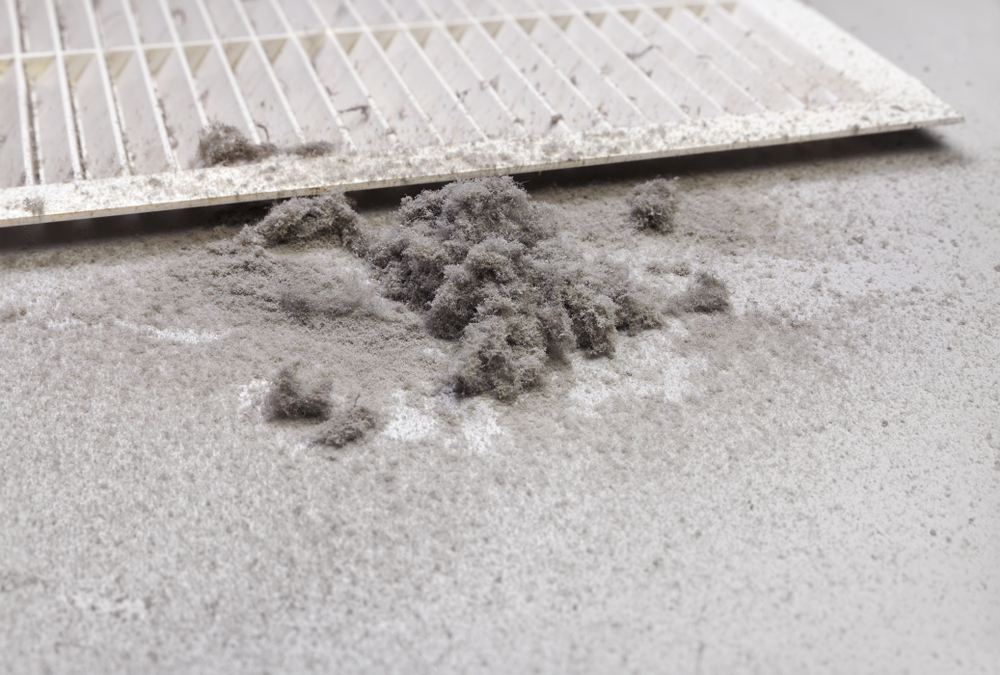
Visible dirt collecting around supply or return vents.
Weak or inconsistent airflow between rooms.
A filter that becomes unusually dirty in a short period.
Homes near busy roads, active construction, renovation projects, or areas with more outdoor dust may naturally place greater demands on filtration.
What HVAC Problems Can Reduce Indoor Air Quality?
The HVAC problems most likely to reduce indoor air quality include neglected filters, moisture issues, dirty system components, duct leakage, and poor airflow. These conditions can interfere with filtration and allow unwanted particles or moisture to move through the home.
1. Dirty or clogged filters: A heavily loaded filter can restrict airflow and reduce HVAC performance.
2. Incorrect filters: A filter that does not fit properly can allow air to bypass the filtration media. A filter that is too restrictive for the system can also create airflow problems.
3. Dirty coils or blower components: Dust and debris inside HVAC equipment can interfere with normal operation and cleanliness.
4. Moisture and drainage problems: During humid Orange County summers, clogged condensate drains or cooling problems deserve attention.
5. Duct leakage: Gaps in ductwork can affect airflow and may pull air from attics, basements, wall cavities, or other unconditioned areas depending on the system layout.
6. Poor ventilation: Heating and cooling equipment circulates air, but circulation is not the same thing as introducing controlled fresh air.
When Should You Call an HVAC Professional?
You should call an HVAC professional when indoor air problems continue after basic housekeeping and filter maintenance, especially if you notice unusual odors, moisture, airflow changes, or recurring comfort problems. These signs may require inspection of equipment or ductwork rather than another DIY cleaning step.
Homeowners can safely inspect accessible vents, check the thermostat, replace filters according to system requirements, and keep supply and return registers unobstructed.
Professional service is more appropriate when you suspect condensate drainage problems, internal equipment contamination, airflow restrictions, damaged ductwork, or cooling and heating performance issues.
For a Middletown home that suddenly feels more humid, dusty, or stuffy than it did previously, identifying the underlying cause is usually more useful than purchasing an indoor air quality product without first understanding the system.
How Can You Improve Indoor Air Quality Through HVAC Maintenance?
You can improve HVAC-related indoor air quality by keeping filters, airflow pathways, cooling components, and drainage systems properly maintained throughout the year. In Middletown, seasonal maintenance is particularly useful because the same home may rely heavily on both heating and air conditioning at different times.
Check your filter regularly and replace it when appropriate for the filter type, household conditions, and equipment requirements. Homes with pets, renovation dust, or heavier system use may need closer monitoring.
Keep furniture, rugs, storage boxes, and curtains away from supply and return registers. Outdoor HVAC equipment should also remain clear of leaves and vegetation.
Before summer, cooling maintenance can help identify airflow, coil, and condensate issues. Before the colder part of the Orange County heating season, heating maintenance provides an opportunity to check system operation before long periods of use.
DIY maintenance should stop when access requires opening HVAC equipment, working with electrical components, refrigerant systems, combustion equipment, or internal ductwork.
What Results Can You Expect From Addressing HVAC Air Quality Problems?
Addressing HVAC-related air quality problems can improve airflow, humidity control, equipment cleanliness, and overall indoor comfort when the HVAC system is contributing to the issue. Results depend on the actual source of the problem, so an accurate diagnosis matters more than choosing a single air quality accessory.
Changing a clogged filter may improve airflow quickly. Correcting a drainage or cooling problem may help the system manage summer moisture more effectively. Repairing duct problems can improve air distribution.
However, an HVAC system cannot eliminate every possible source of indoor contaminants. Cooking, pets, cleaning products, smoking, water intrusion, building materials, outdoor pollutants, and household activities can also affect indoor air.
What Indoor Air Quality Mistakes Should Homeowners Avoid?
The most common indoor air quality mistakes involve treating symptoms without identifying their source. Middletown homeowners can avoid wasted effort by considering the entire HVAC and moisture-control picture.
Mistake: Buying the most restrictive filter available. Consequence: The HVAC system may not be designed for the added airflow resistance. Better approach: Use filtration that is appropriate for your specific equipment.
Mistake: Ignoring musty odors. Consequence: A moisture or drainage issue may continue. Better approach: Investigate recurring odors rather than masking them.
Mistake: Closing multiple supply vents. Consequence: System airflow and pressure can be affected. Better approach: Have persistent room-to-room comfort problems evaluated.
Mistake: Assuming every dusty home needs duct cleaning. Consequence: The real source may be filtration, duct leakage, housekeeping, renovation debris, or another condition. Better approach: Identify the cause before choosing a service.
What Is a Common Indoor Air Quality Scenario in Middletown?
A common Middletown scenario is a home that feels comfortable by thermostat temperature but remains humid or musty during warm weather. The homeowner may also notice that the air conditioner runs frequently or that certain rooms feel different from others.
Several conditions could contribute, including airflow restrictions, cooling performance, condensate drainage, duct conditions, or moisture entering from another part of the building.
This is not a diagnosis or case study. It illustrates why indoor air quality concerns are often best approached as a system-wide problem rather than assuming one product or filter will solve everything.
Which HVAC Services Can Help With Indoor Air Quality?
HVAC services that can help with indoor air quality include system inspections, maintenance, airflow evaluation, filtration review, cooling-system service, and assessment of relevant duct or humidity concerns. The appropriate solution depends on what is actually affecting the home.
We can help determine whether an indoor comfort concern appears connected to heating and cooling equipment and discuss appropriate next steps.
Should You Handle Indoor Air Quality Yourself or Call a Professional?
Basic indoor air quality maintenance can often be handled by homeowners, while recurring HVAC-related problems should usually be evaluated professionally. Filter changes and keeping vents unobstructed are reasonable DIY tasks, but internal equipment, electrical systems, refrigerant components, and complex airflow problems require proper training.
If a problem disappears after replacing an overdue filter, ongoing monitoring may be enough. If dust, odors, high humidity, weak airflow, or temperature differences continue, professional inspection can help narrow down the cause.
That distinction can be especially useful during Orange County’s humid cooling periods or before winter heating demand increases.
Where Do We Serve Around Middletown?
Middletown sits in northern Orange County beside Wallkill and Wawayanda, with communities such as Scotchtown, Mechanicstown, Goshen, New Hampton, and Slate Hill nearby. Homeowners throughout the area can experience similar seasonal HVAC and indoor air concerns.
What Can Happen If You Ignore HVAC-Related Air Quality Problems?
Ignoring an HVAC-related air quality problem can allow airflow restrictions, moisture concerns, or equipment performance issues to continue. Waiting may also make it harder to determine whether the problem originates with the HVAC system or another condition inside the property.
A musty smell, unusually dirty filter, persistent humidity problem, or noticeable airflow change is worth investigating before it becomes part of everyday life.
Frequently Asked Questions About HVAC and Indoor Air Quality
Can a dirty HVAC filter affect indoor air quality in Middletown, NY?
Yes, a dirty HVAC filter can affect indoor air quality and system airflow. As debris collects on the filter, resistance can increase and system performance may suffer. Middletown homeowners should inspect filters regularly, particularly during periods of frequent summer cooling or winter heating.
Can air conditioning help reduce humidity in Orange County homes?
Yes, a properly operating air conditioner removes some indoor moisture while cooling the home. During humid Orange County weather, airflow, system operation, equipment sizing, and condensate drainage can all influence moisture removal. Persistent indoor humidity may indicate an HVAC problem or a separate source of moisture that needs investigation.
Why does my Middletown home smell musty when the AC turns on?
A musty smell when the AC starts can be associated with moisture, dirty components, drainage problems, duct conditions, or another source near the airflow path. Because several issues can produce similar odors, persistent smells in a Middletown home should be investigated rather than covered with fragrances.
Does a higher-rated air filter always improve indoor air quality?
No, a more restrictive filter is not automatically better for every HVAC system. Filters must balance particle capture with the airflow requirements of the equipment. Installing a filter the system cannot handle can contribute to airflow problems, so filtration choices should match the system.
Why does my home near Wallkill or Wawayanda get dusty so quickly?
Rapid dust buildup can come from several sources, including outdoor particles, pets, household activity, renovation work, filter bypass, or duct leakage. Homes around Wallkill and Wawayanda may have different layouts and surrounding conditions, so the cause should be identified before assuming the ductwork needs cleaning.
Can my furnace affect winter indoor air quality in Middletown?
Yes, your heating system can affect winter indoor comfort through air circulation, filtration, and airflow. Middletown homes also tend to remain closed for longer periods during cold weather, which can make stale air, dryness, dust, or ventilation issues more noticeable during the heating season.
How often should I change my HVAC filter?
Filter replacement frequency depends on the filter type, equipment, household conditions, pets, dust levels, and system use. Instead of relying on one universal schedule, inspect the filter regularly and follow the equipment and filter manufacturer’s guidance. A filter that appears heavily loaded should not be ignored.
Can HVAC maintenance completely solve indoor air quality problems?
No, HVAC maintenance cannot solve every indoor air quality problem because contaminants and moisture can originate outside the heating and cooling system. Maintenance can address HVAC-related issues such as filtration, airflow, drainage, and equipment cleanliness, while other building or household sources may require separate solutions.
Improve Comfort and Air Quality in Your Middletown Home
Your HVAC system plays an important role in how air moves through your home, making filtration, airflow, equipment condition, and moisture control worth paying attention to. Gutierrez Brothers HVAC can help local homeowners determine whether heating or cooling equipment may be contributing to persistent indoor comfort concerns.
Breathe Easier and Keep Your HVAC System Working Properly
A professional evaluation can help identify the source of recurring dust, humidity, odors, or airflow problems without assuming a one-size-fits-all solution.
Cold winters, humid summers, spring pollen, and days when outdoor smoke or dust affects the Hudson Valley can all influence the air inside a home. For homeowners in Middletown, NY, a whole-house air purifier may be worth considering when ordinary HVAC filtration is not adequately addressing airborne particles, odors, or other indoor air quality concerns.
Quick answer: A whole-house air purifier can be a useful addition when you want to improve filtration throughout the rooms served by your central HVAC system. The right choice depends on what you want to remove from the air, your existing heating and cooling equipment, and how much airflow resistance the system can accommodate. Before installing one, it is important to identify the actual indoor air quality problem rather than assuming every home needs the same solution.
What local homeowners should know
A whole-house air purifier works with a central HVAC system, so proper equipment compatibility and airflow are important.
Middletown homes can experience changing indoor air concerns as pollen, humidity, heating-season conditions, and outdoor air quality vary throughout the year.
Different air-cleaning technologies target different contaminants, so a solution intended for particles may not address odors or gases in the same way.
Homes throughout Orange County vary considerably in age, HVAC design, ductwork, and building tightness, making an individual assessment more useful than a one-size-fits-all recommendation.
An air purifier can improve air cleaning, but it does not replace source control, ventilation, moisture management, or routine HVAC maintenance.
Why Does Indoor Air Quality Matter in Middletown?
Indoor air quality matters in Middletown because local homes experience substantial seasonal changes that affect what enters and accumulates inside. Spring pollen, summer humidity, fall debris, and long periods with windows closed during winter can create very different indoor conditions over the course of a year.
Properties around Orange County also include a mix of older and newer construction. A house near downtown Middletown may have very different ductwork and air-sealing characteristics than a newer property closer to surrounding communities such as Goshen, New Hampton, or Scotchtown.
Gutierrez Brothers HVAC can help local homeowners look at indoor air quality as part of the complete HVAC system. We consider factors such as filtration, equipment compatibility, airflow, and the specific concern a homeowner is trying to address before discussing possible solutions.
What Do Local Conditions Tell Us About Air Purification?
Local conditions suggest that air cleaning needs can change significantly by season rather than remaining constant all year. In the Hudson Valley, outdoor pollen and particles can enter during warmer months, while winter often means homes stay closed for longer periods as heating systems operate regularly.
That does not mean every house requires a whole-house purifier. From an HVAC perspective, the more useful approach is to determine what is affecting the home’s air and whether better filtration, humidity management, ventilation, air purification, or a combination of measures makes sense.
The condition of the duct system and existing filter setup matters too. Adding equipment without considering airflow can create new HVAC performance concerns instead of solving the original problem.
How Can Poor Indoor Air Quality Affect Your Home?
Poor indoor air quality can affect comfort, cleanliness, HVAC operation, and how fresh a home feels from room to room. Local homeowners may notice excessive airborne dust, persistent odors, or particles accumulating quickly even when they keep up with normal cleaning.
Indoor air concerns can also become more noticeable when the house remains closed during cold Orange County weather. Conversely, opening doors and windows during spring and fall can introduce pollen and outdoor particles.
Because these symptoms can have multiple causes, identifying the source is more useful than immediately purchasing the strongest air-cleaning device available.
What Signs Suggest You Should Consider a Whole-House Air Purifier?
A whole-house air purifier may be worth considering when airborne particles or odors remain noticeable despite reasonable cleaning and routine HVAC filter maintenance. The pattern should be evaluated alongside your HVAC system and the specific conditions inside the home.
Watch for signs such as:
Dust returning unusually quickly after cleaning.
Visible particles collecting around supply or return vents.
Persistent household odors that ordinary ventilation does not resolve.
Seasonal pollen frequently entering the living space.
Indoor air feeling stale during long periods when the house stays closed.
Certain rooms consistently seeming dustier than others.
An existing HVAC filter that does not appear to meet your air-cleaning goals.
Outdoor smoke or particle events noticeably affecting conditions indoors.
These signs do not prove that an air purifier is required. They provide a reason to investigate the home’s filtration, airflow, ventilation, and possible pollutant sources.
When Should You Call an HVAC Professional?
Call an HVAC professional when you want to add whole-house air-cleaning equipment or when persistent indoor air problems cannot be explained by routine filter maintenance. A professional can determine whether the proposed equipment is compatible with your HVAC system and whether the ductwork can support it without undesirable airflow restrictions.
Middletown homeowners can safely check and replace accessible filters according to the equipment and filter manufacturer’s instructions. They can also monitor where dust, odors, or moisture problems appear.
Installation and HVAC modifications are different. Equipment added to ductwork should be properly sized and integrated with the heating and cooling system.
What Common Local Conditions Affect Indoor Air?
The most common local indoor air concerns come from a combination of outdoor particles, seasonal conditions, household sources, and HVAC performance. Around Middletown and the wider Hudson Valley, the relative importance of each factor can change throughout the year.
1. Seasonal pollen and outdoor particles: Opening windows and doors can allow outdoor material to enter, especially during spring and fall.
2. Winter closed-house conditions: During colder Orange County weather, less frequent natural ventilation can make existing indoor odors and contaminants more noticeable.
3. Household dust: Flooring, fabrics, pets, everyday activity, and particles brought indoors all contribute to dust.
4. Humidity and moisture: Summer humidity can create comfort and indoor air concerns that purification alone will not correct.
5. Inadequate filtration: A filter that is poorly fitted, overdue for replacement, or unsuitable for the HVAC system may not provide the filtration a homeowner expects.
How Can You Improve Indoor Air Quality Before and After Installation?
Improving indoor air quality starts with controlling pollutant sources and maintaining the HVAC system, whether or not you install a whole-house purifier. Middletown homeowners can make several practical checks throughout the year.
Check the HVAC filter regularly and replace it when appropriate for that filter and system. Keep return and supply vents unobstructed. Use kitchen and bathroom exhaust ventilation appropriately, and address water leaks or persistent moisture rather than expecting an air cleaner to solve them.
During high-pollen periods, limiting unnecessary outdoor air entry may also reduce the amount of material entering the home.
DIY maintenance should stop when the solution requires altering ductwork, electrical components, or HVAC equipment.
What Results Can You Expect From a Whole-House Air Purifier?
A properly selected whole-house air purifier can reduce the airborne contaminants that its particular technology is designed to capture or treat. Results depend on the purifier type, HVAC runtime, installation, maintenance, pollutant source, and characteristics of the home.
A particle-focused filtration system, for example, should not be expected to solve a moisture problem. Likewise, an air purifier cannot prevent new contaminants from entering a home whenever doors or windows open.
The goal is meaningful improvement based on the actual problem, not a promise of perfectly clean indoor air.
What Mistakes Should Middletown Homeowners Avoid?
The biggest air-purifier mistakes are choosing equipment by marketing claims alone, ignoring HVAC airflow, and expecting one device to solve every indoor air problem. A better approach considers the home, system, and contaminant together.
Mistake: Choosing the highest-rated filter without checking compatibility. Consequence: Excessive resistance may negatively affect airflow. Better approach: Select filtration that your specific HVAC system can accommodate.
Mistake: Treating humidity as a particle problem. Consequence: The underlying moisture issue remains. Better approach: Evaluate humidity and moisture separately.
Mistake: Forgetting maintenance. Consequence: Air-cleaning performance can decline over time. Better approach: Follow the appropriate maintenance schedule for the installed equipment.
Mistake: Ignoring pollutant sources. Consequence: New contaminants continue entering the air. Better approach: Combine air cleaning with source control when possible.
What Is a Common Local Air Quality Scenario?
A common local scenario is a Middletown homeowner who notices more dust and airborne particles during certain seasons even though the HVAC system appears to operate normally. The homeowner may assume a whole-house purifier is automatically the answer, but several factors deserve attention first.
The existing filter may need replacement or may not fit correctly. Outdoor pollen may be entering frequently. Ductwork or airflow could also contribute to uneven conditions.
Evaluating those factors helps determine whether improved filtration or additional air-cleaning equipment is a sensible next step.
What HVAC Solutions Can Improve Indoor Air Quality?
Indoor air quality solutions can include improved filtration, whole-house air cleaning, ventilation strategies, humidity control, and HVAC maintenance depending on the underlying issue. No single option is automatically right for every Orange County home.
We can evaluate how an air-quality product would interact with the existing heating and cooling equipment rather than treating it as an isolated appliance.
How Do Whole-House Air Purifiers Compare With Portable Units?
Whole-house purifiers are designed to address air moving through a central HVAC system, while portable purifiers generally focus on individual rooms or smaller areas. The better choice depends on how much of the home you want to address and whether you have compatible central equipment.
A portable unit may make sense when the concern is limited to one room. Whole-house equipment can be more practical when the goal is centralized treatment across multiple spaces served by ductwork.
Neither approach eliminates the need for cleaning, ventilation, moisture control, and proper HVAC maintenance.
What Areas Can Benefit From Indoor Air Quality Solutions?
Indoor air quality concerns can affect homes throughout Middletown and neighboring Orange County communities because seasonal pollen, temperature changes, and household contaminants are not confined to one neighborhood. Residents in nearby Goshen, New Hampton, Scotchtown, and other Hudson Valley communities may encounter many of the same seasonal considerations.
The appropriate solution still depends on the individual property and HVAC system.
What Can Happen If You Ignore an Indoor Air Quality Problem?
Ignoring a persistent indoor air quality concern can allow the underlying source to continue and may lead to ongoing comfort, cleanliness, or HVAC performance issues. Waiting is especially unhelpful when the real cause is moisture, a neglected filter, or an HVAC airflow problem rather than something an air purifier alone can correct.
Investigating the issue early gives you a clearer idea of what needs attention and helps prevent spending money on equipment that does not address the source.
Do I really need a whole-house air purifier in Middletown, NY?
Not every Middletown home needs a whole-house air purifier. It is most worth considering when you have a recurring air-quality concern that appropriate filtration or purification can address and you want treatment integrated with your central HVAC system. System compatibility and the type of contaminant should guide the decision.
Is a whole-house air purifier better than an HVAC filter?
A whole-house purifier and a standard HVAC filter can serve different purposes depending on the equipment involved. The existing filter primarily helps capture particles as air moves through the system, while additional air-cleaning equipment may provide another level or type of treatment. The best setup must still maintain appropriate HVAC airflow.
Can an air purifier help with pollen in Orange County?
Particle-removal equipment can help reduce airborne pollen that reaches and circulates through the HVAC system. Orange County homeowners should also limit unnecessary pollen entry during high-pollen periods and keep up with HVAC filter maintenance. No purifier can stop pollen from continually entering through open windows, doors, clothing, and other pathways.
Will a whole-house purifier remove all dust from my Middletown home?
No, a whole-house purifier will not eliminate all household dust. Some dust settles before reaching the HVAC return, while additional material continually enters or is generated indoors. Effective particle filtration can reduce certain airborne particles, but routine cleaning and source control remain part of managing dust.
Can an air purifier solve summer humidity problems in the Hudson Valley?
No, an air purifier is not a substitute for humidity control. Hudson Valley summer conditions can make moisture management an important part of indoor comfort. If excessive indoor humidity is the actual concern, the HVAC system and moisture sources should be evaluated rather than relying on particle filtration to correct it.
Should I use a portable purifier or whole-house system?
Choose based on the area you want to treat and your HVAC setup. A portable purifier can be practical for one bedroom or another targeted space, while whole-house equipment is designed to work with central HVAC airflow. Local homeowners seeking broader coverage should have system compatibility evaluated first.
How often does a whole-house air purifier need maintenance?
Maintenance frequency depends on the specific purifier, filter, operating conditions, and manufacturer’s requirements. Homes exposed to substantial dust or seasonal particles may need components checked more frequently than homes with lower particle loads. Follow the requirements for your particular equipment rather than relying on a universal replacement schedule.
Can a whole-house purifier help during smoky outdoor conditions in Middletown?
Appropriate particle filtration may reduce some airborne smoke particles that enter a Middletown home, but performance depends on the equipment and building conditions. Smoke also contains gases and other pollutants that particle filtration alone may not address, so the appropriate response depends on the particular air-quality event and purifier technology.
Improve the Air Throughout Your Middletown Home
Choosing an air purifier should start with understanding your home, your HVAC system, and the indoor air concern you actually want to address. We can help you evaluate those factors and explore practical options for more comfortable indoor conditions in Middletown and the surrounding Orange County area.
Indoor air quality has a direct impact on your family’s comfort, health, and overall well-being. In Newburgh, NY, changing seasons, pollen, humidity, and older homes can all affect the air inside your house, often more than many homeowners realize.
Quick Answer
Improving indoor air quality starts with keeping your HVAC system well maintained, changing air filters regularly, controlling indoor humidity, reducing dust and allergens, and ensuring your home has proper ventilation. Local conditions in Newburgh, including seasonal pollen, winter heating, and humid summer weather, make these steps especially important for maintaining healthier indoor air.
What Local Readers Should Know
Replacing your HVAC air filter every one to three months helps reduce dust, pollen, and airborne particles circulating throughout your home.
Spring pollen from the Hudson Valley can significantly increase indoor allergens unless your HVAC system is filtering air effectively.
Older homes throughout Orange County may have less efficient ventilation, allowing pollutants to build up indoors.
Summer humidity can encourage mold growth if indoor moisture levels are not properly controlled.
Regular HVAC maintenance helps improve airflow while supporting better indoor comfort throughout every season.
Why Indoor Air Quality Matters Locally
Good indoor air quality is especially important for homeowners in Newburgh because local weather conditions change dramatically throughout the year. Cold winters mean windows stay closed for extended periods, trapping indoor pollutants. During spring, pollen from trees and grasses around the Hudson River Valley can easily enter homes. Summer humidity creates conditions where mold and mildew can develop if moisture isn’t properly managed.
Residents throughout Orange County, Balmville, New Windsor, Cornwall, and Marlboro experience many of these same seasonal challenges. Maintaining clean indoor air helps create a more comfortable living environment regardless of the season.
At Gutierrez Brothers HVAC, we understand how local conditions affect indoor comfort. We help homeowners improve their indoor environments through professional HVAC maintenance, system inspections, and indoor air quality solutions tailored to the area’s unique climate.
Local Field Observations
Based on our experience serving homeowners throughout the Newburgh area, several indoor air quality concerns appear consistently throughout the year.
Spring often brings increased pollen accumulation inside homes.
Summer humidity may contribute to musty odors and elevated moisture levels.
Fall introduces additional outdoor allergens as leaves decompose.
Winter heating season frequently leads to dry indoor air while homes remain tightly sealed for months.
These seasonal changes make routine HVAC maintenance an important part of maintaining cleaner indoor air.
Local Impact
Poor indoor air quality affects more than comfort. It can increase dust accumulation, make allergy symptoms more noticeable, create unpleasant odors, and reduce HVAC efficiency.
Because many homes in Newburgh include finished basements, older ductwork, or aging insulation, pollutants can circulate throughout the house if systems are not properly maintained. Businesses throughout the downtown area also benefit from cleaner indoor air by creating more comfortable environments for employees and customers.
Warning Signs of Poor Indoor Air Quality
Watch for these common indicators:
Excessive dust collecting shortly after cleaning.
Persistent musty or stale odors.
Increased allergy or asthma symptoms while indoors.
Uneven humidity levels throughout the home.
Mold growth around vents or windows.
Frequent HVAC filter clogging.
Condensation forming on windows.
Rooms that feel stuffy despite running the HVAC system.
When to Call a Professional
Some indoor air quality improvements are simple DIY tasks, while others require professional evaluation.
Homeowners can safely:
Replace HVAC filters.
Keep supply and return vents unobstructed.
Use kitchen and bathroom exhaust fans.
Maintain recommended indoor humidity levels.
Professional service is recommended when you notice persistent odors, visible mold around HVAC components, uneven airflow, excessive dust despite frequent cleaning, or recurring allergy concerns that may be related to your HVAC system.
Common Local Causes of Poor Indoor Air Quality
1. Seasonal Pollen
The Hudson Valley experiences significant pollen levels during spring and early summer, allowing allergens to enter homes through doors, windows, and ventilation systems.
2. High Summer Humidity
Humidity encourages mold and mildew growth if moisture is not properly controlled indoors.
3. Dirty HVAC Filters
Clogged filters reduce airflow while allowing more airborne particles to circulate.
4. Older Homes
Many homes throughout Newburgh and surrounding communities were built decades ago and may have outdated ventilation systems or aging ductwork.
5. Everyday Indoor Pollutants
Cooking, cleaning products, pet dander, and household dust all contribute to indoor air pollution.
Prevention and Maintenance
Improving indoor air quality starts with consistent maintenance.
Helpful habits include:
Replace HVAC filters on schedule.
Schedule annual HVAC inspections.
Keep ducts and vents clean.
Vacuum using HEPA filtration when possible.
Control indoor humidity between 30% and 50%.
Limit indoor sources of smoke.
Clean around air vents regularly.
Consider whole-home air purification if recommended after an inspection.
Seasonal HVAC maintenance before summer cooling and winter heating helps ensure your system operates efficiently while supporting healthier indoor air.
Expected Results
Professional indoor air quality improvements can help reduce airborne dust, improve airflow, maintain more consistent humidity, and support overall comfort throughout your home.
Results depend on your home’s age, HVAC equipment, maintenance history, and the specific indoor air quality concerns being addressed.
Common Mistakes
Mistake: Waiting too long to replace air filters. Consequence: Reduced airflow and increased airborne particles. Better Approach: Check filters monthly and replace them according to manufacturer recommendations.
Mistake: Closing too many supply vents. Consequence: Reduced HVAC efficiency and uneven airflow. Better Approach: Keep vents open unless otherwise advised by an HVAC professional.
Mistake: Ignoring musty odors. Consequence: Moisture issues may worsen over time. Better Approach: Investigate persistent odors promptly before they become larger problems.
Common Local Scenario
A homeowner in the Newburgh area notices that family members experience more allergy symptoms despite keeping the house clean. After replacing an overdue HVAC filter and scheduling a professional HVAC inspection, airflow improves and indoor air feels fresher. While every home is different, situations like this are common during peak allergy season throughout Orange County.
Related Service Solutions
Several HVAC services can help improve indoor air quality, including:
We proudly serve homeowners throughout Newburgh, New Windsor, Cornwall, Balmville, Marlboro, and surrounding Orange County communities. Our goal is to help local residents enjoy healthier, more comfortable indoor environments throughout every season.
Cost of Ignoring Indoor Air Quality
Delaying indoor air quality improvements can lead to increased dust buildup, higher HVAC operating costs, reduced comfort, and additional strain on heating and cooling equipment. Addressing concerns early helps maintain a healthier home while supporting long-term HVAC performance.
How often should homeowners in Newburgh change their HVAC filters?
Most homeowners should replace HVAC filters every one to three months. Homes with pets, allergy sufferers, or higher dust levels may benefit from more frequent filter changes.
Does Newburgh’s spring pollen affect indoor air quality?
Yes. Spring pollen throughout the Hudson Valley can enter homes through open doors, windows, and ventilation systems. Clean filters and proper HVAC maintenance help reduce indoor pollen levels.
Can humidity affect indoor air quality in Orange County?
Yes. Elevated humidity encourages mold and mildew growth while making indoor spaces feel less comfortable. Maintaining balanced indoor humidity supports healthier air.
Is professional HVAC maintenance worth it for indoor air quality?
Yes. Regular maintenance helps ensure your HVAC system operates efficiently while improving airflow and identifying issues that may affect indoor air quality.
Are older homes in Newburgh more likely to have indoor air quality concerns?
Older homes may have aging ductwork, limited ventilation, or outdated HVAC equipment that can contribute to indoor air quality issues. A professional inspection can help identify opportunities for improvement.
What are the most common signs of poor indoor air quality?
Common signs include excessive dust, musty odors, allergy symptoms indoors, uneven humidity, clogged air filters, and stale indoor air.
Breathe Easier with Professional Indoor Air Quality Solutions
Cleaner indoor air begins with a properly maintained HVAC system and solutions designed for your home’s unique needs. We are committed to helping homeowners throughout Newburgh and the surrounding communities enjoy healthier, more comfortable living spaces.