
How Regular HVAC Maintenance Helps Prevent Emergency AC Repairs
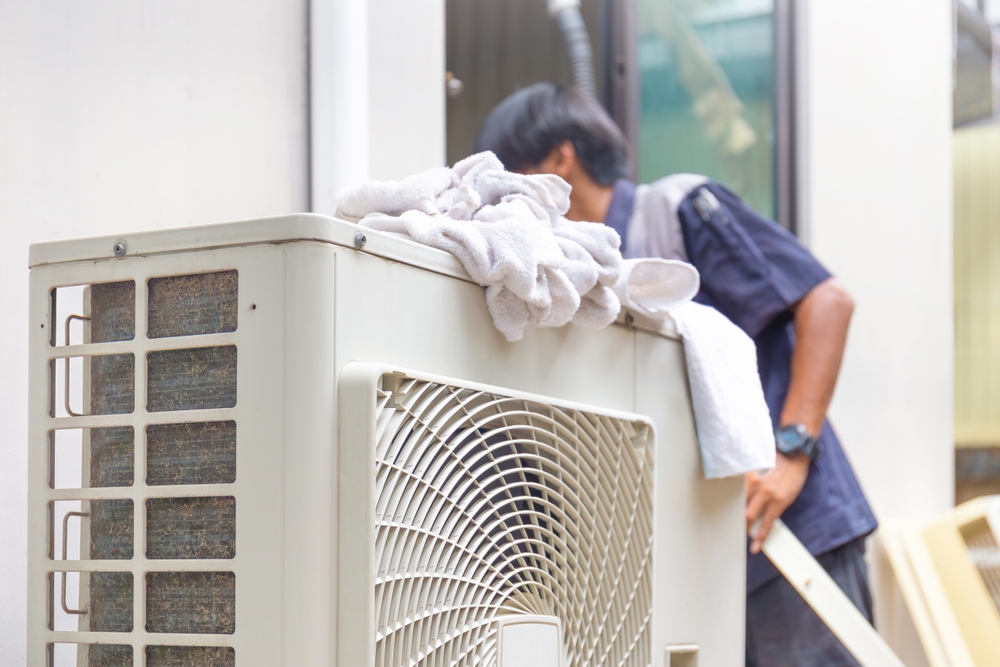
Emergency AC repair calls are not just inconvenient; they can also put a serious dent in your wallet. The good news is that most of these urgent situations are completely preventable with routine HVAC maintenance. Taking a proactive approach to caring for your system means fewer surprises, lower energy bills, and a longer-lasting unit overall.
Understanding the connection between regular upkeep and avoiding unexpected breakdowns is the first step toward smarter homeownership. When you schedule consistent maintenance visits and stay on top of small tasks yourself, you dramatically reduce the chances of waking up to a non-functioning AC on the hottest day of the year.
The Hidden Costs of Skipping HVAC Maintenance
Many homeowners put off routine HVAC maintenance because it feels like an unnecessary expense, especially when the system seems to be running fine. This line of thinking, however, tends to cost far more in the long run. Neglected systems work harder to produce the same results, which means they consume more energy and experience greater wear on their components.
When minor issues go undetected, they quietly compound over time. A small refrigerant leak, a slightly bent fan blade, or a worn capacitor can all seem harmless at first. Left unaddressed, each of these problems can escalate into a full system failure that requires an emergency AC repair visit. These urgent service calls often come with premium pricing, especially if they happen on weekends, holidays, or during peak summer demand when technicians are already stretched thin.
Beyond the repair bills themselves, there are other hidden costs to consider. An inefficient system drives up your monthly energy bills, sometimes significantly. The strain placed on neglected components can also shorten the overall lifespan of your unit, meaning you may need to replace it years earlier than you would have otherwise. Investing in routine maintenance is, in practical terms, a way of protecting a major household asset.
What Regular HVAC Maintenance Actually Involves
A thorough HVAC maintenance visit covers far more than a quick look at your thermostat. A qualified technician will inspect, clean, and test numerous components throughout the system to catch problems before they grow. Understanding what this process includes helps you appreciate its value and communicate more effectively with your service provider.
During a standard maintenance appointment, the technician will typically check and clean the evaporator and condenser coils. Dirty coils reduce the system’s ability to absorb and release heat, which forces the unit to run longer cycles and increases the likelihood that you will need AC repair sooner rather than later. They will also inspect the refrigerant levels and look for any signs of leakage. Low refrigerant is one of the most common causes of poor cooling performance and compressor damage.
The technician will also examine electrical connections, tighten any that have loosened, and test the voltage and current on motors. Faulty electrical components are a leading cause of system failures. The blower components will be cleaned and adjusted to ensure proper airflow, and the condensate drain will be cleared to prevent water damage and humidity problems inside your home.
Lubrication of moving parts, inspection of the thermostat calibration, and evaluation of the overall system operation round out the visit. Some providers also include a filter replacement or inspection as part of the service. All of these steps work together to keep your system running efficiently and reduce the risk of an unplanned breakdown.
Simple Homeowner Habits That Support Professional Care
While scheduling professional maintenance is essential, homeowners can take several steps between visits to support the health of their HVAC system. These habits are simple, low-cost, and genuinely effective at extending the life of your equipment and reducing the need for AC repair.
Changing your air filter regularly is one of the most impactful things you can do. A clogged filter restricts airflow and forces the system to work harder, leading to overheating and premature component failure. Depending on the type of filter and the conditions in your home, you should plan to replace it every one to three months. Homes with pets, dusty environments, or residents who have allergies may need more frequent changes.
Keeping the outdoor condenser unit clear of debris is another important habit. Leaves, grass clippings, and dirt can accumulate around the unit and block airflow. Aim to maintain at least two feet of clearance around the condenser and gently rinse it with a garden hose periodically to remove buildup from the fins.
You should also pay attention to how your system sounds and performs. Unusual noises like rattling, grinding, or squealing can indicate that something has come loose or is wearing out. A sudden spike in your energy bill without a clear explanation often signals that the system is struggling. Catching these warning signs early and calling a technician before a full failure occurs is exactly the kind of preventive action that keeps minor issues from turning into major AC repair emergencies.
Keeping your vents open and unobstructed is also worth mentioning. Many people close vents in unused rooms thinking it saves energy, but this actually throws off the pressure balance in your duct system and can cause long-term damage. Make sure furniture and curtains are not blocking supply or return vents throughout your home.
How Maintenance Schedules Vary by Climate and Usage
Not every home requires the same maintenance schedule, and understanding how your local climate and usage patterns affect your system can help you make smarter decisions. In areas with hot summers and mild winters, the air conditioner carries a heavier workload than in more temperate climates, which means more frequent attention is warranted.
For most homeowners, scheduling a professional HVAC tune-up twice a year is a solid baseline. Ideally, you would have the cooling system inspected in the spring before the intense heat arrives, and the heating system checked in the fall before temperatures drop. This timing ensures that each system is ready to perform when you need it most and gives technicians the chance to catch any issues that developed during the off-season.
Homes in regions that see extreme summer heat, like parts of California, Arizona, or Texas, may benefit from more frequent checkups. If your system runs nearly year-round, the components simply accumulate more wear and need more consistent attention. Similarly, older systems, those over ten years old, typically require closer monitoring because parts are more likely to fail as they age.
Households with higher occupancy or unique conditions, such as a home-based business with heavy foot traffic or a property with multiple pets, may also need to adjust their maintenance frequency. Your HVAC contractor can help you determine the ideal schedule based on your specific situation. The key takeaway is that staying ahead of wear and usage demands is always more cost-effective than responding to a breakdown after the fact.
Conclusion
Regular HVAC maintenance is one of the most practical investments a homeowner can make. It reduces the likelihood of needing emergency AC repair, keeps energy costs in check, and extends the useful life of your equipment. By combining professional tune-ups with simple habits like changing filters and monitoring system performance, you put yourself in a far stronger position heading into every cooling season. A little attention throughout the year goes a long way toward keeping your home comfortable and your repair bills manageable.
Need Reliable HVAC Services Near You?
Here at Gutierrez Brothers HVAC, we take pride in delivering top-quality heating and cooling solutions tailored to your needs. With over 15 years of industry expertise and a commitment to excellence, our team is here to ensure your home stays comfortable year-round. Whether you need a new system installation, routine maintenance, or an emergency repair, we’ve got you covered with reliable, efficient service. Based in Middletown and serving Orange County, we’re fully licensed in Westchester County (WC-38209-H24) and dedicated to making a difference in our community. Give us a call today and experience the Gutierrez Brothers HVAC difference!