
What Is Indoor Air Quality & Why It Matters for Your Health
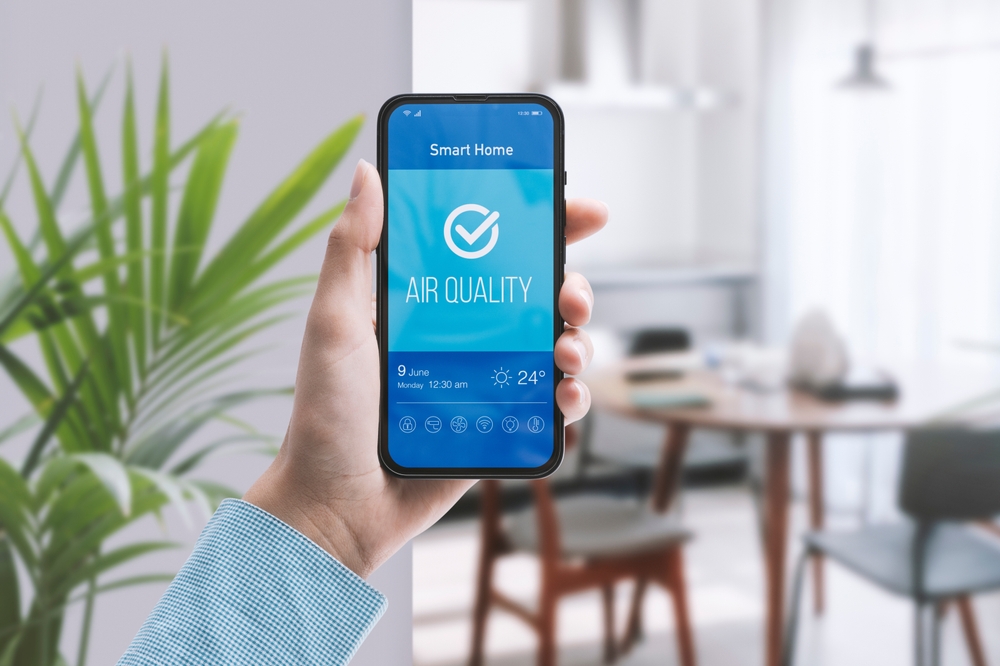
Indoor air quality has become an increasingly important health concern for modern households and workplaces. Most people spend approximately 90 percent of their time indoors, whether at home, in the office, or in other enclosed spaces. This means that the quality of the air we breathe inside these environments has a direct and significant impact on our health and well-being. Understanding indoor air quality and taking steps to improve it can lead to better respiratory health, increased energy levels, and a reduced risk of developing serious illnesses.
The air we breathe indoors can contain numerous pollutants that are invisible to the naked eye. These pollutants come from various sources including cooking activities, heating and cooling systems, building materials, household cleaners, and outdoor air that enters through doors and windows. Poor indoor air quality can contribute to headaches, fatigue, difficulty concentrating, and the exacerbation of existing respiratory conditions like asthma and allergies. For vulnerable populations such as children, the elderly, and those with pre-existing health conditions, the effects of poor indoor air quality can be particularly severe.
Indoor Air Quality Basics
Indoor air quality refers to the composition of air within indoor environments and how it affects the health and comfort of occupants. It encompasses the presence of various gases, particles, and biological contaminants in the air we breathe inside our homes and buildings. The EPA, or Environmental Protection Agency, recognizes indoor air quality as one of the top five environmental health risks facing Americans today.
Several key factors determine indoor air quality. These include humidity levels, temperature, ventilation rates, and the concentration of various pollutants. Proper ventilation is crucial because it helps remove stale air and pollutants from indoor spaces and replaces it with fresh outdoor air. Many modern buildings are constructed to be more energy-efficient, which means they are tightly sealed to prevent heat loss. While this helps reduce energy consumption, it can also trap pollutants inside the building if adequate ventilation is not maintained.
The composition of indoor air can be tested using various methods and equipment. Professional air quality assessments can identify specific pollutants and their concentrations. Common measurements include particulate matter levels, volatile organic compound concentrations, carbon dioxide levels, and humidity percentages. Understanding these measurements helps homeowners and building managers make informed decisions about improving their indoor air quality.
Common Indoor Air Pollutants You Should Know About
The sources of indoor air pollution are varied and often unexpected. One of the most common pollutants is particulate matter, which includes dust, pollen, pet dander, and skin cells. These tiny particles can remain suspended in the air for extended periods and can be inhaled deep into the lungs. Cooking, especially high-heat cooking methods, releases particulate matter and other compounds into the air.
Volatile organic compounds, or VOCs, are chemicals that evaporate at room temperature and are released from numerous household products. Paints, varnishes, cleaning products, air fresheners, and even furniture can off-gas VOCs. Prolonged exposure to high levels of VOCs can cause respiratory irritation, headaches, and in some cases, more serious health effects.
Carbon monoxide is an odorless, colorless gas produced by combustion processes. Faulty furnaces, improperly vented appliances, and vehicle exhaust can introduce carbon monoxide into indoor spaces. Even at low levels, chronic exposure to carbon monoxide can cause health problems, and acute exposure to high concentrations can be fatal.
Biological contaminants include mold spores, bacteria, viruses, and dust mites. These microorganisms thrive in damp environments and can quickly multiply if moisture levels are not controlled. Mold is particularly concerning because it can trigger allergic reactions and asthma attacks in susceptible individuals.
Radon is a radioactive gas that seeps into buildings from the soil beneath them. This naturally occurring element poses significant health risks because it decays into particles that can damage lung tissue when inhaled. Testing for radon is essential for homeowners, particularly in areas known to have elevated radon levels.
Health Effects of Poor Indoor Air Quality
The health impacts of breathing poor quality air indoors can range from minor to severe. Short-term effects include eye irritation, throat irritation, coughing, headaches, and fatigue. These symptoms often disappear once a person leaves the polluted environment, though they can be uncomfortable and distracting.
Long-term exposure to poor indoor air quality can lead to more serious health conditions. Chronic respiratory diseases such as asthma can develop or worsen. Heart disease risk can increase due to the inflammation caused by fine particulate matter. Some research suggests links between long-term air pollution exposure and increased cancer risk. Children are particularly vulnerable because their lungs are still developing, and prolonged exposure to indoor pollutants during childhood can have lasting effects on respiratory function.
People with existing health conditions face heightened risks. Those with asthma, allergies, chronic obstructive pulmonary disease, and cardiovascular disease should be especially concerned about indoor air quality. Pregnant women and infants may also experience adverse effects from poor indoor air quality. The elderly population is another vulnerable group that may face increased complications from air pollution exposure.
Beyond physical health, poor indoor air quality can affect cognitive function and productivity. Studies have shown that people in spaces with better air quality perform better on cognitive tests and have improved decision-making abilities. This is particularly important for children in schools and workers in offices where they spend many hours each day.
Practical Ways to Improve Your Indoor Air Quality
Improving indoor air quality starts with proper ventilation. Opening windows when weather permits allows fresh air to circulate and helps remove stagnant, pollutant-laden air. Using exhaust fans in kitchens and bathrooms helps remove moisture and pollutants at the source. HVAC systems should be maintained regularly with filters changed according to manufacturer recommendations.
High-efficiency particulate air filters, known as HEPA filters, can significantly reduce particulate matter in indoor spaces. Air purifiers equipped with HEPA filters can be placed in bedrooms or living areas to help clean the air. Some modern vacuum cleaners also feature HEPA filters, which prevents dust and allergens from being released back into the air during cleaning.
Controlling humidity levels is essential for preventing mold growth and dust mite proliferation. Humidity levels should ideally be maintained between 30 and 50 percent. Dehumidifiers can be used in damp areas, and proper ventilation in bathrooms and kitchens helps manage moisture.
Choosing low-VOC products can reduce chemical pollution in your home. Look for paints, cleaners, and furniture labeled as low-VOC. Natural cleaning alternatives like vinegar and baking soda can replace commercial chemical cleaners. Allowing new furniture and building materials to off-gas in well-ventilated spaces before using them also helps reduce VOC exposure.
Testing for radon is an important step that is often overlooked. Inexpensive radon test kits are available, and if elevated levels are found, radon mitigation systems can be installed to reduce this radioactive gas to safe levels.
Avoiding smoking indoors and minimizing the use of scented products like candles and air fresheners further improves indoor air quality. If you have pets, regular grooming and vacuuming help reduce pet dander. Keeping the home clean by dusting surfaces regularly with damp cloths prevents dust accumulation.
The Importance of Regular Monitoring and Professional Assessment
Monitoring indoor air quality should be part of regular home maintenance. Simple tools like humidity meters can help track environmental conditions. For more comprehensive assessments, hiring a professional to conduct indoor air quality testing provides detailed information about specific pollutants and their concentrations.
Professional indoor air quality assessments can identify hidden sources of pollution and recommend targeted solutions. This is particularly valuable in older homes or buildings where air quality issues may be more prevalent. Many professionals can also provide guidance on ventilation improvements and equipment selection.
Regular monitoring helps identify when air quality has deteriorated and when corrective measures are needed. Seasonal changes can affect indoor air quality, and monitoring throughout the year helps maintain consistent healthy conditions.
Conclusion
Indoor air quality is a critical component of overall health and well-being. By understanding the sources of indoor air pollution and taking proactive steps to improve ventilation, control humidity, and reduce pollutant sources, you can create a healthier indoor environment for yourself and your family. Small investments in air quality improvements, combined with regular monitoring and maintenance, can lead to significant health benefits and a better quality of life.
Need Reliable HVAC Services Near You?
Here at Gutierrez Brothers HVAC, we take pride in delivering top-quality heating and cooling solutions tailored to your needs. With over 15 years of industry expertise and a commitment to excellence, our team is here to ensure your home stays comfortable year-round. Whether you need a new system installation, routine maintenance, or an emergency repair, we’ve got you covered with reliable, efficient service. Based in Middletown and serving Orange County, we’re fully licensed in Westchester County (WC-38209-H24) and dedicated to making a difference in our community. Give us a call today and experience the Gutierrez Brothers HVAC difference!